Two couples get married on the same Saturday. Both hire someone to film it. Both get a video back a few weeks later.
One opens her file and sees the day. Speeches in order, the cake, the first dance, all of it captured.
The other opens hers and feels the day. Her dad’s voice breaking before anyone could see his face. The half second her mum reached for a tissue she’d hidden in her sleeve. The light through the mandap right as the pheras began.
Same wedding budget conversation. Completely different thing on the other side. That gap is the whole reason this post exists, because almost nobody explains it before you’ve already booked.
What a wedding video actually is
A wedding video documents. Someone points a camera at the important moments, records them cleanly, and hands you a chronological record of the day. Ceremony, formalities, reception, done.
There’s nothing wrong with that. If all you want is proof it happened and a way to rewatch the speeches, a good wedding video does the job and it usually costs less. That lower price is honest. You’re paying for someone’s time and a competent edit, not for a point of view.
The thing to understand is that you’re getting a recording. The camera was a witness. It was not a storyteller.
What a cinematic wedding film actually is
A cinematic wedding film is built, not just captured.
Before the day, the filmmaker is already thinking about pacing, music, and the emotional shape of your story. On the day, they’re not just standing where the action is. They’re reading the room, anticipating the moment two beats before it happens, choosing angles and light that a documenter never bothers with because they’re only there to record.
Then comes the part most people never see: the edit. A cinematic film can take a full day on a single five minute piece. Colour graded so the footage actually looks like your wedding felt. Sound design layered so a vow lands the way it landed in the room. Music chosen and cut so the build hits exactly when your guests leaned in.
You’re not paying for more footage. You’re paying for someone to find the story inside your day and tell it back to you.
Why this matters even more at an Indian and multicultural wedding
A Western wedding is roughly one arc over one day. A Punjabi/Sikh or Indian wedding is several days, several ceremonies, and several emotional peaks, often across multiple venues and hundreds of guests.
The Anand Karaj is sacred and still. The baraat is loud, joyful, and chaotic in the best way. The vidaai breaks everyone in the room. A reception runs past midnight. That’s not one story, it’s five, and a person who only documents will hand you five disconnected clips.
A cinematic filmmaker who actually understands these days knows the rhythm. They know to hold the camera on the mother during the vidaai instead of cutting to the car. They know the baraat needs energy in the edit and the Anand Karaj needs restraint. They know which traditions carry the weight, because they’ve stood inside enough of these weddings to feel it coming.
If your culture is woven through every part of your day, the person filming it should understand the day, not just attend it. That’s the difference between footage of an Indian wedding and a film that honours one.
So what are you actually paying for
When a cinematic film costs more, this is where the money goes:
The years it took to learn to anticipate a moment instead of chasing it. The extra hours on the day spent reading people instead of just rolling. The full days in the edit that turn raw clips into something with a heartbeat. The gear and the craft, yes, but mostly the judgment behind it.
A cheaper video gives you the day on a hard drive. A cinematic film gives you the feeling back, every time you press play, for the rest of your life. One is a record. The other is the closest thing you’ll get to standing in that room again.
In twenty years, nobody pulls out the cheaper option to show the grandkids what the day felt like. They reach for the one that made them cry.
How to tell the difference before you book
You don’t need to take anyone’s word for it. Watch their work and ask three things:
Does their film make you feel something about people you’ve never met? If a stranger’s wedding film moves you, that’s craft, not coincidence.
Do they show full films, or just highlight reels stitched to trending audio? A real filmmaker will show you a complete story from start to finish.
Have they actually filmed weddings like yours? For a multicultural day, experience with your specific ceremonies is not a nice to have. It’s the difference between a film that gets the moments and one that misses them.
See the difference for yourself
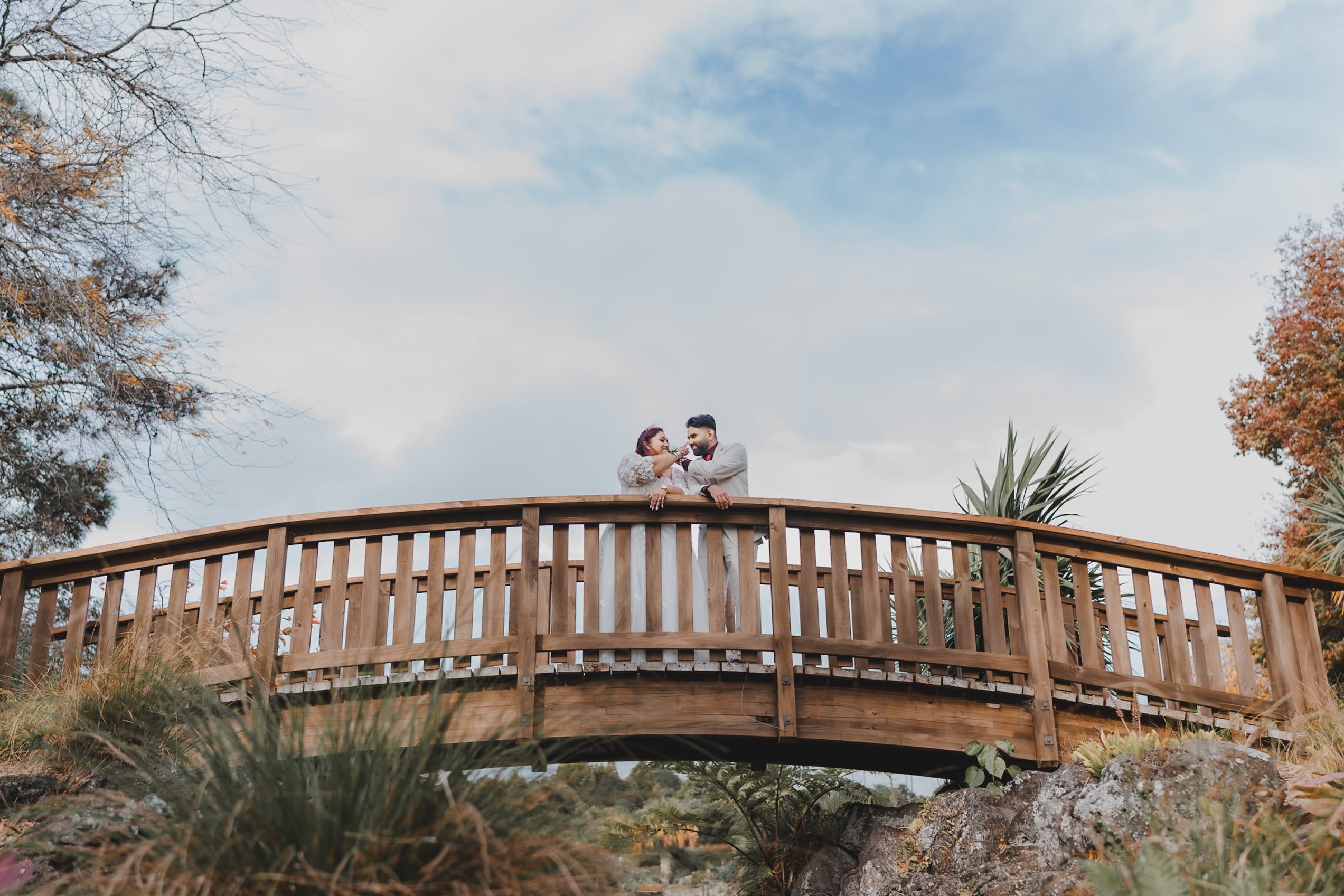
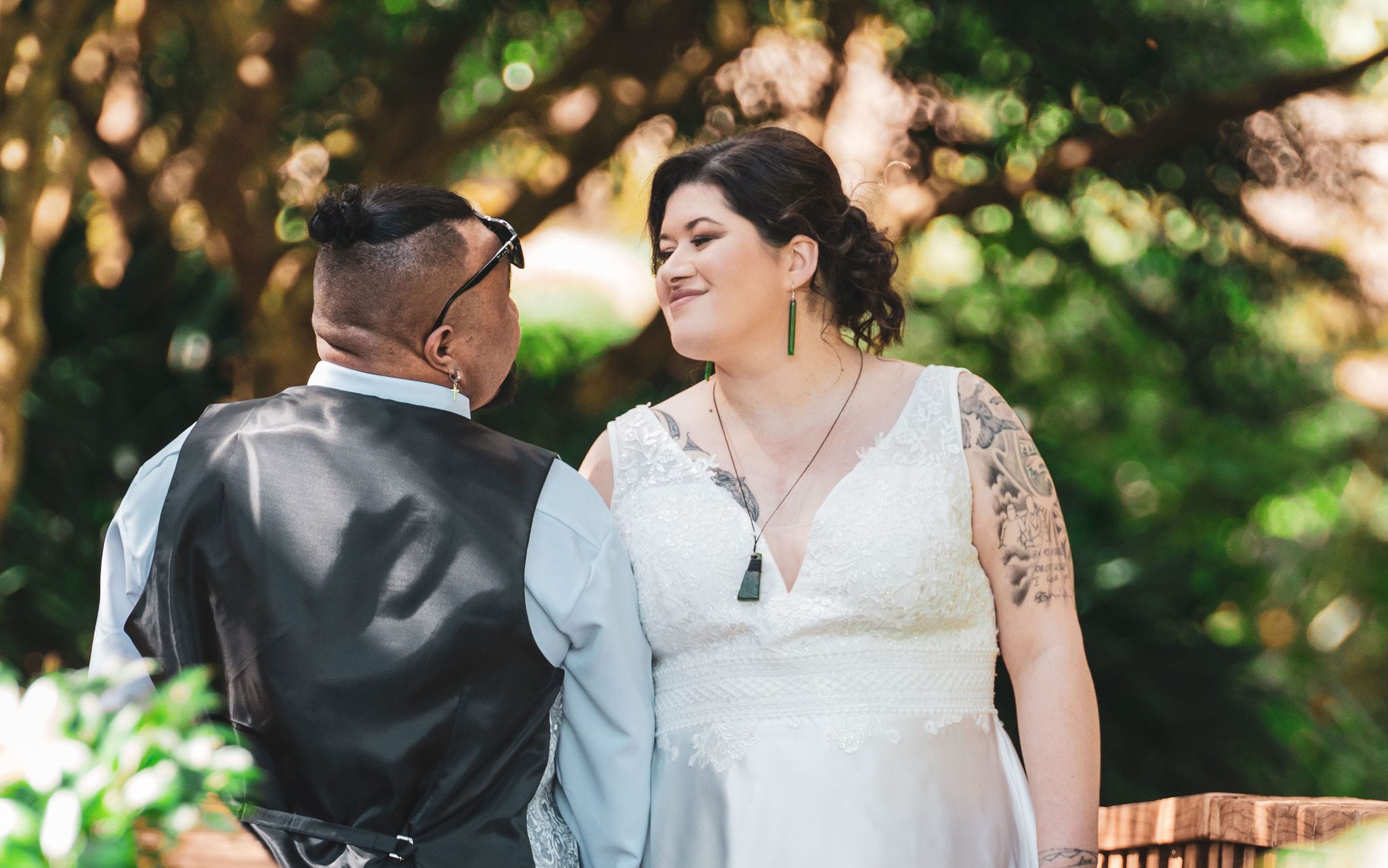
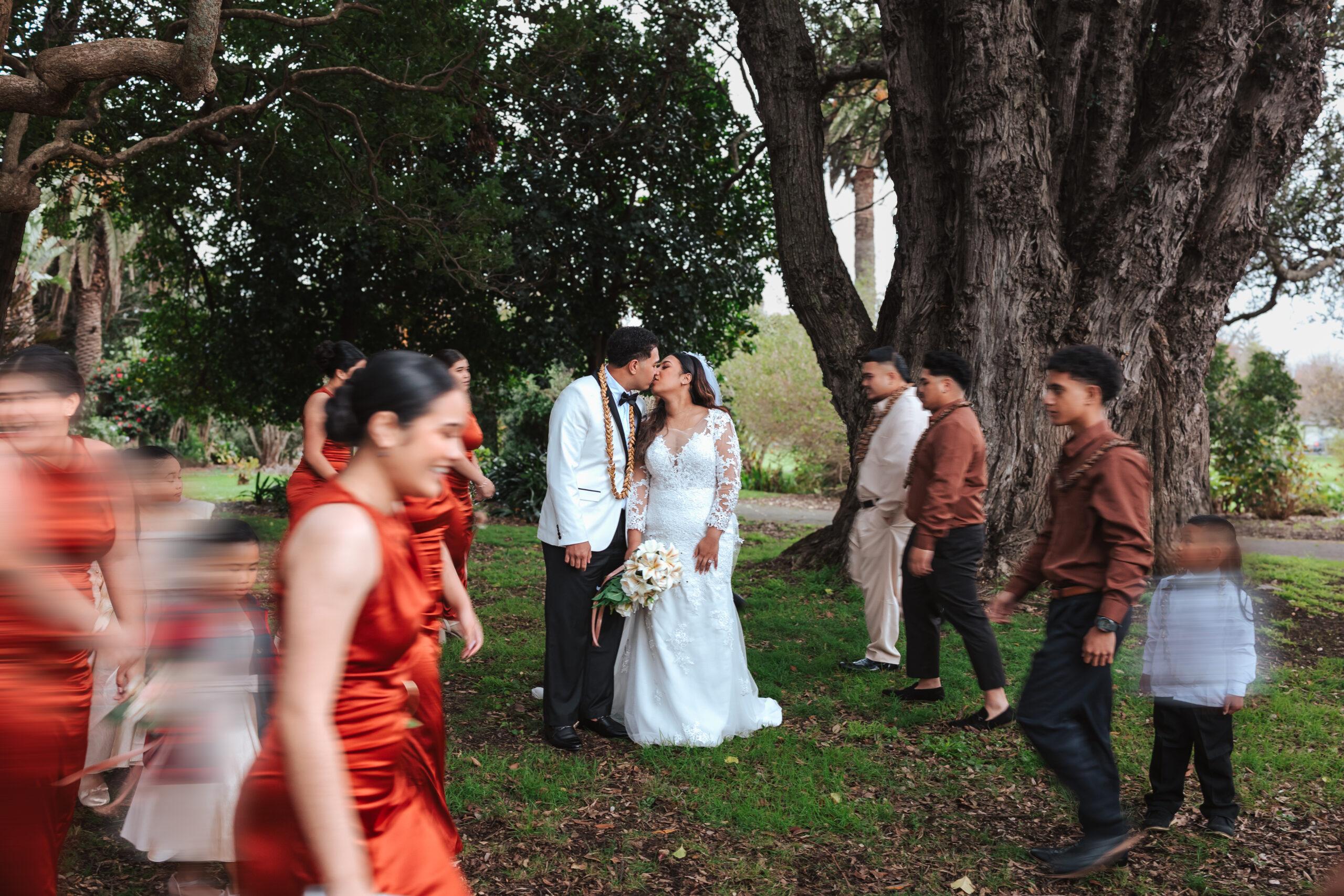
The easiest way to understand all of this is to watch one. Here are some recent films so you can feel what cinematic actually means instead of just reading about it.
If that’s the kind of film you want from your own day, the next step is a conversation, not a quote. Book a Wedding Vision Call and let’s talk through your day, your story, and how we’d tell it.
Limited dates available
Check availability for your date
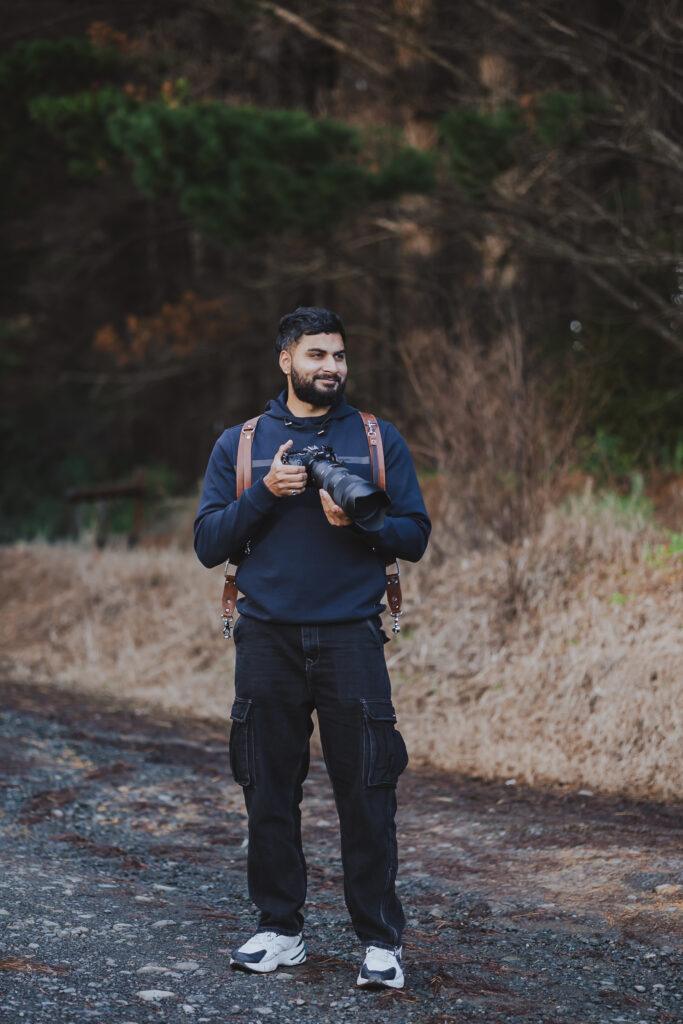
If this sounds like the kind of coverage you want for your day, grab a 20-minute vision call with Karan. No pressure, no hard sell.