Indian wedding photography in Auckland is not one job. It’s usually three to five, spread over several days, with real cultural weight behind every frame. If you are planning a Punjabi, Sikh, Fijian-Indian, Gujarati or mixed-culture wedding here, the quickest thing I can tell you is this: stop thinking of your photographer and videographer as “wedding day” suppliers. Think of them as the team that has to move with your Sangeet, Mehndi, ceremony, Baraat, reception and family portraits without missing any of it. That one shift changes how you brief them, how you build your timeline, and who you end up hiring.
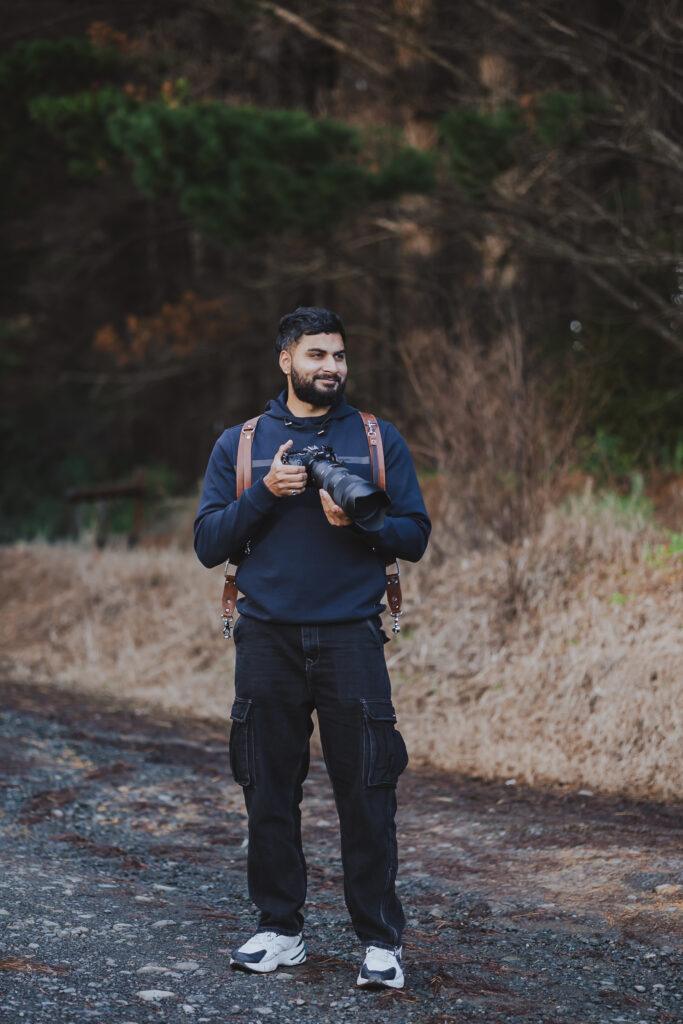
This guide is written from inside the work. I’m Karan, and I run Illest Productions out of Auckland. We’ve shot Sikh Anand Karajs at Takanini Gurdwara, Fijian-Indian Telwaans in South Auckland backyards, Gujarati Mandaps at Markovina, and every kind of mixed-culture weekend in between. The notes below are what I’d actually say if you rang me.
Why Indian Weddings Need a Different Planning Approach
A standard one-day Auckland wedding has a clean shape. Prep, ceremony, portraits, reception, out.
Indian weddings don’t fit that shape. You’re usually looking at two to four separate events across different days and different venues, each with its own attire, its own energy, and its own lighting situation. Mehndi in the afternoon. Sangeet in a function hall that evening. Ceremony the next morning at a Gurdwara or Mandir. Reception that night in a ballroom that needs flash work.
What that means for your photographer and videographer:
- They’re managing multiple outfit changes, multiple light setups, and sometimes two or three venues in under 48 hours.
- A single shooter or single-camera operator cannot cover both sides of the family during Milni, Jai Mala or Doli without losing moments.
- Edit times are longer because you’re producing what is effectively three short films and three galleries, not one.
When couples enquire and ask why multi-day Indian coverage sits at a different price point to a standard Western wedding, this is why. You’re not paying for more hours. You’re paying for a team that can stay sharp across a weekend of nonstop, culturally layered, emotionally loaded shooting.
The Subcultures Photograph Differently. Your Team Needs to Know the Difference
This is where a lot of Auckland couples get burned. A photographer who has shot “Indian weddings” before may have only shot one kind. The rituals, the pacing, the family dynamics and the visual signatures are genuinely not interchangeable.
Punjabi and Sikh Weddings
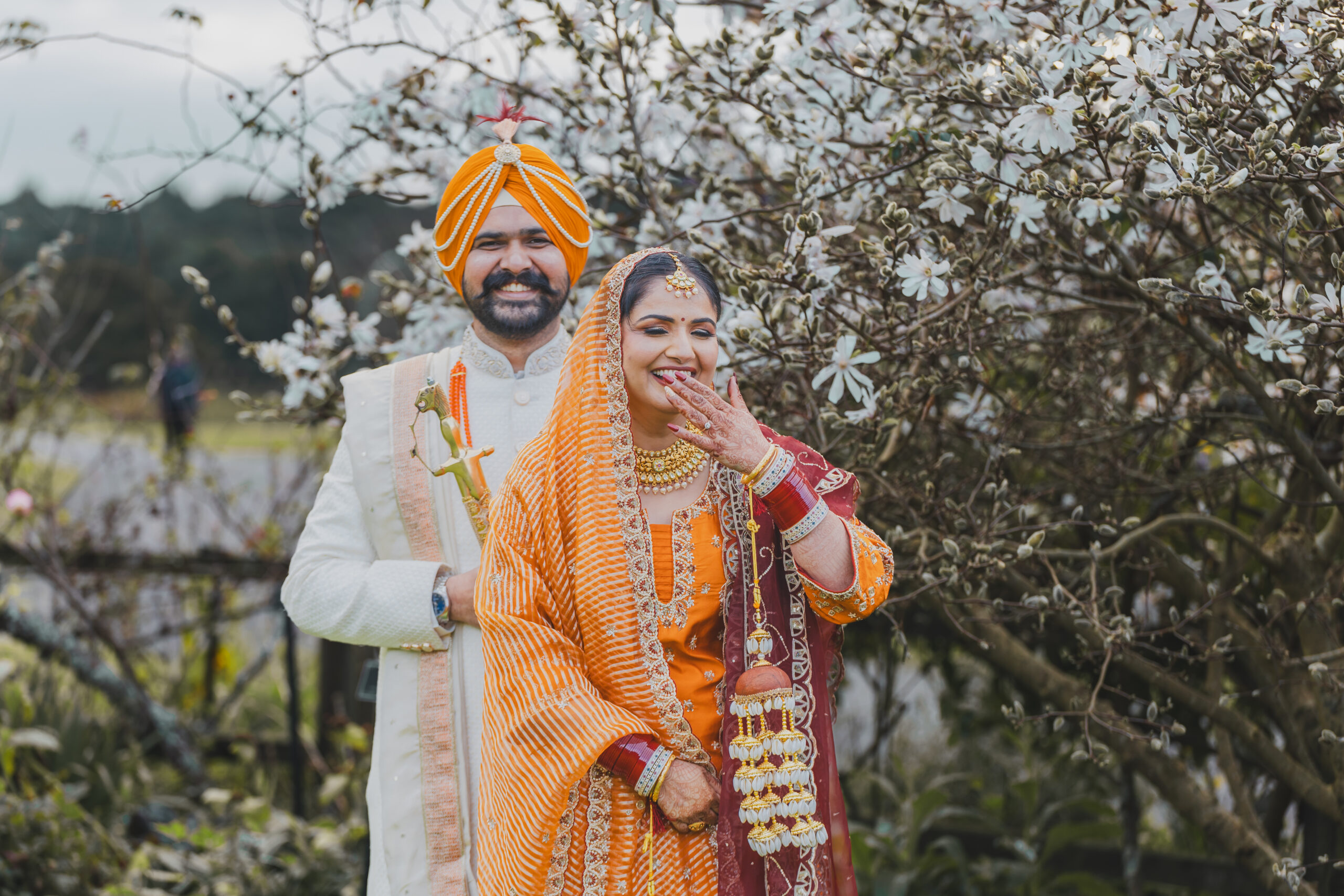
The highest-energy weddings we shoot. Multi-day by default. A Sikh Anand Karaj takes place inside a Gurdwara, most commonly at Takanini Gurdwara Sri Kalgidhar Sahib in Auckland, with four Laavans walked around the Guru Granth Sahib. Around that sit Rokka, Chunni Chadana, Milni, Jago, Chooda, Ghodi Chadna, and Doli. Bhangra and Giddha at the reception. The Baraat alone can eat 30 to 45 minutes of your timeline if your team isn’t prepared for it.
Photographically: huge dynamic range, lots of movement, deep colour, and strong symmetry inside the Gurdwara. No flash during the ceremony. Your team needs fast primes and natural-light confidence.
If you’re planning a Sikh wedding specifically or a full Punjabi multi-day celebration, we’ve got dedicated pages that go deeper on each.
Hindu Gujarati Weddings
Pithi, Gol Dhana, Mandap Mahurat, Hasta Milap and Mangal Phera (four circles around the sacred fire, not seven). Garba and Dandiya at the Sangeet. Strong colour palette, lots of family participation in the rituals, and usually a Mandap that needs to be photographed from specific angles to look its best.
Photographically: the Mandap is your hero frame. Plan it. A Mandap shot into a bad backdrop with a reception ceiling fan in view is one of the most common and most avoidable mistakes at Auckland venues.
Fijian-Indian (Indo-Fijian) Weddings
The largest Indian-origin community in Auckland and one of the most distinctive to shoot. Telwaan (the oil and turmeric ritual), Batwaan, Santak, Nechu, Mosaru, alongside Sangeet, Mehndi and Jaggo. Dhols and harmoniums singing Sohars. Ceremony usually includes Dwar Puja, Kanyadaan, Jai Mala, Hasta Milap and Saptapadi, followed by the Baasi-Jawari shoe-stealing tradition at the reception.
Photographically: the home and backyard rituals are where the strongest candids live. A team that treats Telwaan as a “getting ready” shot misses the whole point. This is the emotional spine of a Fijian-Indian wedding and deserves dedicated coverage.
Mixed-Culture Weddings
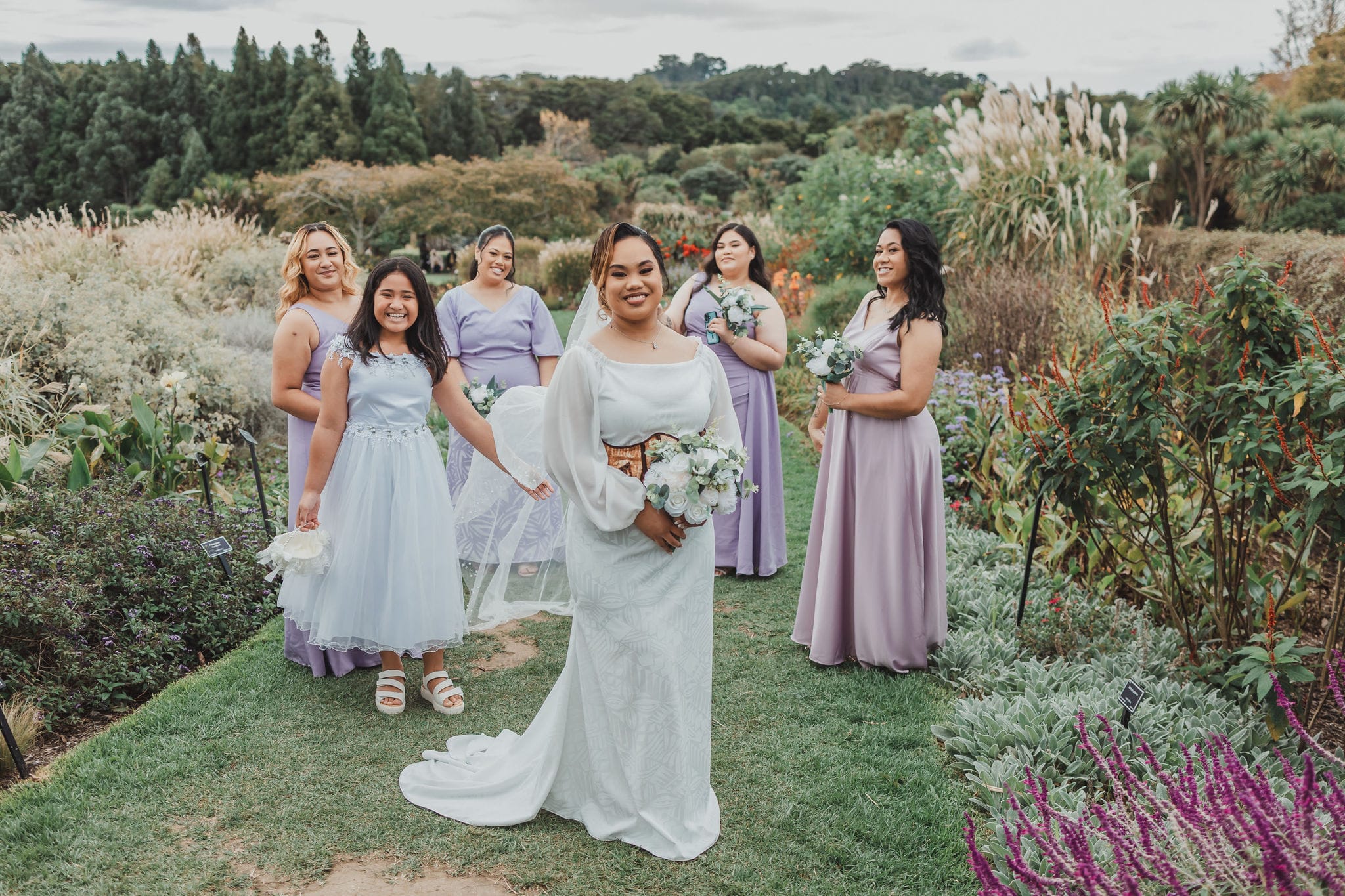
Indian and Kiwi, Indian and Chinese, Sikh and Catholic, Hindu and Fijian. Auckland sees more of these than almost any other Indian-majority city outside India or Fiji. The planning question here is not “which rituals do we include” but “which day carries which side, and how do we make both feel like the main event on film.”
A good team will help you structure this so neither family walks away feeling like their traditions got the B-roll.
The Events That Actually Matter for Coverage
Not every function needs the full team. Here’s how we usually advise couples to prioritise.
Always Cover
- The ceremony itself, whether it’s Anand Karaj, the Mandap, or the Mandir. This is the non-negotiable core. Full photo and film, minimum two shooters.
- Golden hour portraits of the couple, ideally 30 to 45 minutes protected between ceremony and reception. More on this below.
- Reception entry, speeches and first dances, where the emotion peaks and the room is at its loudest.
- Baraat, Doli or Vidaai, whichever applies. These are some of the most emotional moments of the entire celebration and they’re short, loud and unrepeatable.
Strongly Consider
- Mehndi and Sangeet for couples who want the full multi-day story preserved on film. A highlight reel without Sangeet footage feels thinner than it should.
- Telwaan, Pithi or Haldi, depending on your tradition. Visually incredible and deeply emotional. Almost no couple regrets covering these. Plenty regret skipping them.
Optional, Depending on Budget
- Rokka, Chunni Chadana or engagement events, unless they’re being treated as a stand-alone celebration.
- Extended family dinners that don’t have a structured ritual component.
The rough rule: if the event has a ritual with family at the centre of it, cover it. If it’s logistical, let it go.
The Timeline Mistakes Couples Make Most Often
We rebuild timelines with couples in every pre-wedding consult. These are the mistakes we see on repeat.
- Not protecting golden hour. Speeches run over. Uncle grabs the mic. Suddenly you’ve lost the only 30 minutes of light that would’ve made your couple portraits actually look cinematic.
- Stacking the Baraat too late. If your Baraat is meant to arrive at 11am but actually rolls in at 12:15, your entire ceremony compresses and your family portraits get cut.
- Scheduling family portraits with 20 groupings and no coordinator. 8 to 12 structured groups, named clearly, with one person from each side on point to round people up. That’s the move.
- Booking venues at opposite ends of Auckland without factoring travel. Takanini Gurdwara to a reception in Kumeu is over an hour in Friday traffic. Photographers can’t teleport.
- Leaving the couple portrait window at the end of the day. By 9pm you’re tired, the light is gone, and you’ve spent the last hour of your own wedding taking posed photos you could’ve knocked out in golden light earlier.
- Not sharing the ritual order with the photographer. If we don’t know Jai Mala is coming before Hasta Milap, we’re guessing where to stand. A ten-minute walkthrough with the pandit or granthi fixes this entirely.
What to Tell Your Photographer and Videographer Early
If you do nothing else on this list, send your team the following within two weeks of booking:
- Your full multi-day schedule, even in rough form
- Every venue name and address
- Which tradition you’re following and which rituals you’re including
- The names of your pandit, granthi, or celebrant so they can coordinate on the day
- A family structure summary so we know who’s who during formals and Milni
- Any cultural sensitivities (shoes off inside the Gurdwara, no flash during certain rituals, gender-seating at ceremony, etc.)
A fluent team won’t need you to explain basics. But every family structures things slightly differently, and the 15-minute phone call where we walk through your specific version is worth more than any generic shot list.
Auckland Venues, Light, and Logistics
A few things to keep in mind if you’re planning in Auckland specifically.
Ceremony Venues
Takanini Gurdwara Sri Kalgidhar Sahib is the primary Sikh ceremony location. Low, warm interior light, no flash, strong symmetry inside the darbar hall. A good team will bring fast lenses and know where to sit without crossing sangat space.
BAPS Shri Swaminarayan Mandir in Avondale and the Auckland Mahatma Gandhi Centre are common Hindu ceremony venues, both with different light characteristics worth a pre-wedding recce.
Vineyard estates like Markovina in Kumeu and grand gardens like Gracehill and Bracu Estate in the Bombay Hills work beautifully for Mandap ceremonies outdoors, and their architecture holds up on film.
Reception Venues
Function rooms vary wildly in ceiling height, ambient colour temperature, and dancefloor lighting. Ellerslie Event Centre, Bruce Mason Centre, Villa Maria and similar venues all behave differently on film. Your cinematography team should be bringing their own lighting for first dance and Jagoo or Garba if the venue uplighting is amber-heavy or flickering.
Auckland Golden Hour Matters More Than You Think
Our light here is genuinely beautiful but it moves fast across the year. Rough windows:
- January: golden hour sits around 8:13pm. Plan portraits late, after dinner is viable.
- March: around 7:20pm. One of our best months for warm portrait light.
- April: around 6:35pm. Autumn tones, beautiful on Indian attire.
- June: around 5:28pm. Winter solstice. Golden hour arrives mid-afternoon, which almost always means a first-look approach or compressing formals to protect portrait time.
- October: around 7:00pm. Spring light is soft and reliable.
If your ceremony is in winter, a first look before the ceremony is usually the right call. If it’s summer, protect the 45 minutes before sunset and tell your MC to hold speeches until after.
How Illest Productions Approaches Indian and Multicultural Weddings
Our approach across every wedding is the same: calm, documentary, candid, modern. We don’t direct from a checklist. We read the room, move quietly, and make space for the real moments to happen without us in the way.
Where Indian and multicultural weddings differ is the prep. We spend more time on the front end. Pre-wedding timeline consults are longer. We want to know your family structure, your ritual order, your venue movements, your parents’ concerns, and what your grandmother actually cares about seeing in the final film. Because she’s the one who’ll watch it fifty times.
Photo and film are shot as one cohesive experience, not two separate deliverables. Your highlight film and your gallery should feel like the same day told twice, in two mediums, with the same voice.
If you’d like a second set of eyes on your run of show before you finalise your coverage, have a look at our wedding collections or send through your dates and we’ll come back with a tailored suggestion. You can also read more about how we shoot Indian weddings specifically.
A Sample Two-Day Indian Wedding Timeline (Auckland)
Built around a Saturday ceremony and Sunday reception. Adjust as needed.
Friday
- 3:00pm: Mehndi and Haldi or Telwaan at home or a small venue
- 6:30pm: Sangeet (separate venue or same location, flipped over)
- 11:00pm: Wrap
Saturday (Ceremony Day)
- 7:00am: Getting ready begins, both sides
- 9:00am: Photographer and second shooter arrive on both sides
- 10:00am: Baraat arrival and Milni
- 11:00am: Ceremony begins (Anand Karaj, Mandap, or ceremony rituals)
- 1:30pm: Family formals at venue
- 2:30pm: Rest, refresh, relocate to reception venue
- 5:30pm: Couple portraits at golden hour (protect this)
- 7:00pm: Reception entry and dinner
- 9:00pm: Speeches, first dance, Garba or Bhangra
- 11:30pm: Coverage wraps
Sunday (If applicable)
- Reception evening only, or Vidaai and send-off functions
Your version will look different. Use this as a skeleton, not a template.
Final Word
The couples who end up with the best photos and films from their Indian wedding aren’t the ones with the biggest budgets. They’re the ones who briefed their team early, protected their timeline, and picked a studio that understood their traditions without needing them explained. If that’s the kind of experience you’re after, that’s the kind of work we show up to do.
When you’re ready, get in touch and tell us a bit about your weekend. We’ll come back with what we think actually fits.
Frequently Asked Questions
How far in advance should we book a photographer and videographer for an Indian wedding in Auckland?
For multi-day Indian weddings, 12 to 18 months out is normal. Peak dates from October through March book earliest. If your date is inside six months, still get in touch. We occasionally have availability for short-runway weddings.
Do we need both a photographer and a videographer for an Indian wedding?
Most couples we work with book both. Photo captures the frozen moments families print and frame. Film captures the energy, the music, the speeches, the ceremony audio. They do different jobs and neither fully replaces the other, especially for multi-day events.
How many shooters do you send to an Indian wedding?
A minimum of two for photography and usually two for film on the ceremony day, sometimes more for larger Punjabi or Gujarati weddings with simultaneous events. Coverage scales to your guest count, number of events, and how many things are happening at once.
Do you cover weddings outside Auckland?
Yes. We regularly shoot across New Zealand and are comfortable travelling for destination Indian weddings. Travel is priced separately. Get in touch for a custom quote.
What’s the most important thing we can do to get better photos from our wedding?
Protect your golden hour window and share your ritual order with your photographer at least two weeks out. Those two moves alone lift the quality of what you walk away with more than almost anything else.
About the Author
Karan Verma is the founder and lead photographer of Illest Productions, an Auckland-based wedding photography and cinematography studio. He has shot Punjabi, Sikh, Fijian-Indian, Gujarati and multicultural weddings across Auckland and New Zealand, and built Illest around a calm, documentary approach that blends photo and film into one cohesive story. When he’s not at a wedding, he’s usually editing one or planning the next pre-wedding timeline consult.
Limited dates available
Check availability for your date
If this sounds like the kind of coverage you want for your day, grab a 20-minute vision call with Karan. No pressure, no hard sell.